
Boiler & Chiller Killers HVAC demolition specialists · Denver

The whole system

HVAC Demolition in Denver and the Front Range

Heating, cooling, air handling, the piping and ductwork between them. When a building is done with its mechanical system, we take the whole thing out, room by room, and leave it clean for whatever comes next.

What we remove

On the list

  • Boilers of every type and size
  • Chillers and cooling towers
  • Air handlers, rooftop units, makeup air, exhaust fans
  • Pumps, tanks, heat exchangers, water heaters
  • Steel, copper and PVC piping, valves and hangers
  • Ductwork, insulated assemblies, supports
  • Flues, breeching and stacks
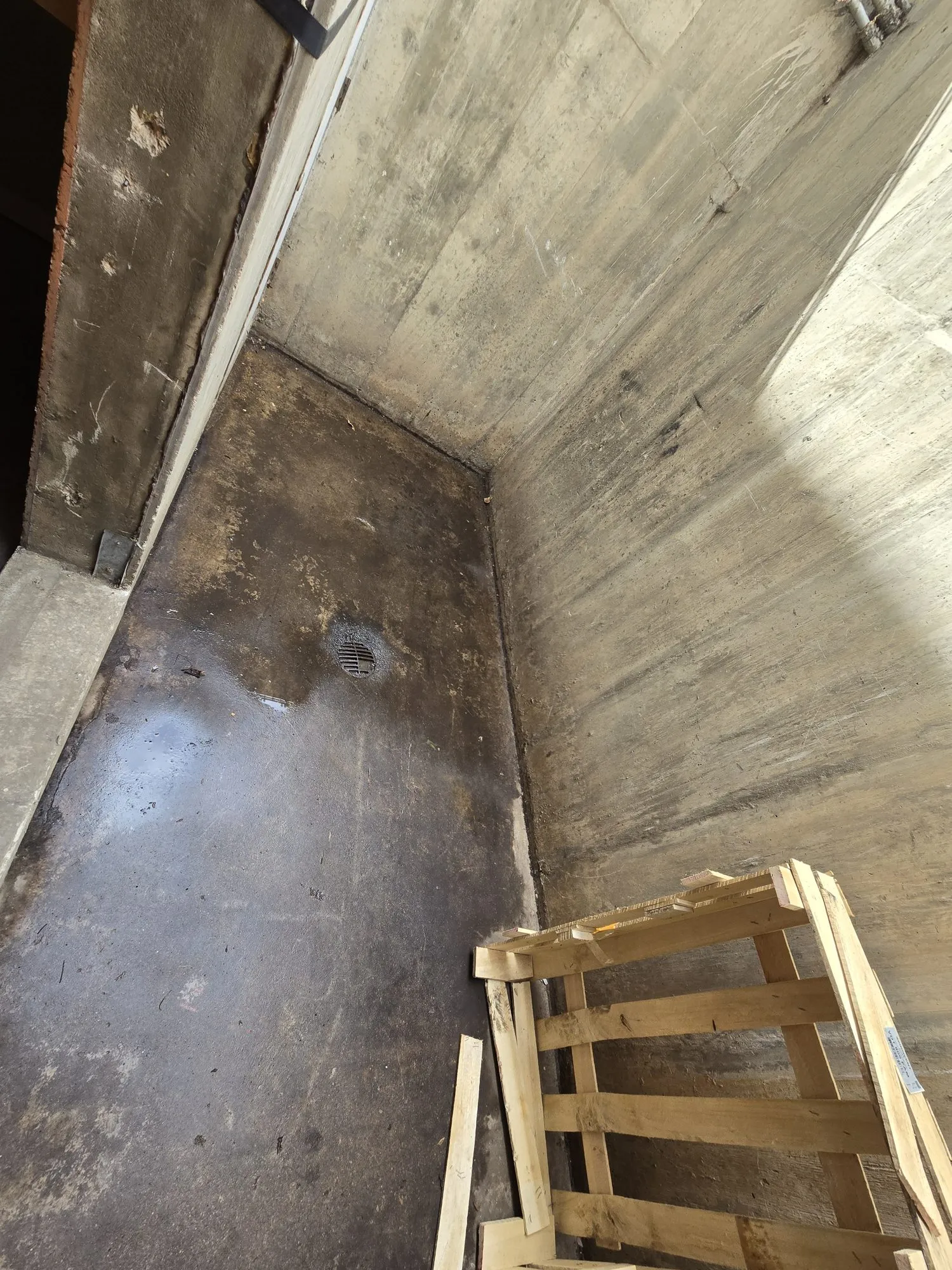
Mechanical pit swept clean after equipment removal

How it goes

The way we do it

  1. 01

    Walk the room

    We look at what is coming out, how it leaves the building, and what stays. Most of the plan is decided in that half hour.

  2. 02

    Protect what stays

    Floors, finishes and the equipment that isn't ours to touch get covered before the first cut.

  3. 03

    Cut, section, rig

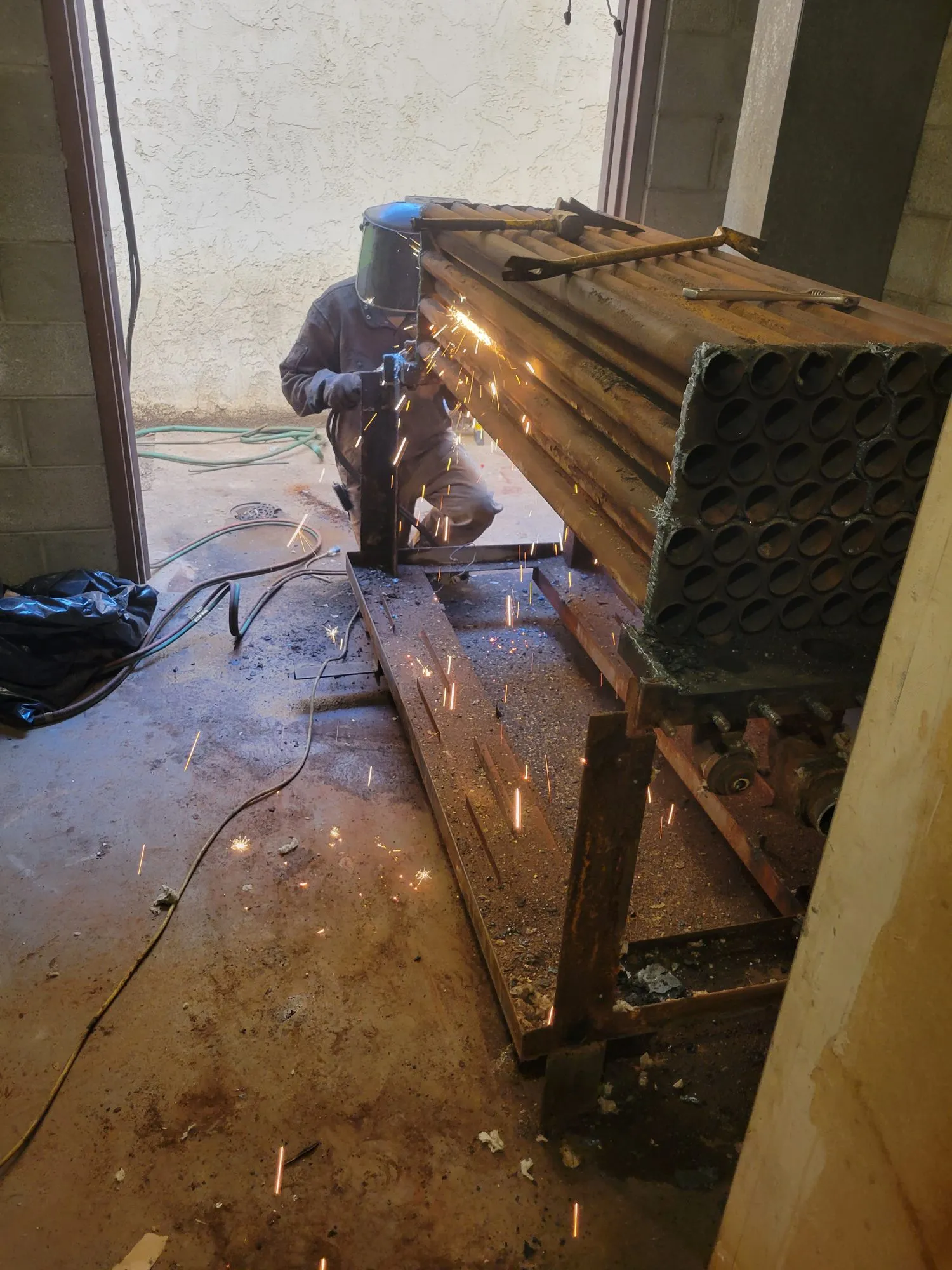
    Cast iron comes apart by the section. Firetubes and chillers get cut where they stand. Everything goes out through the building's existing paths, or a crane when the roof demands it.

  4. 04

    Haul, scrap, sweep

    Metal to the yard, the rest disposed of to Colorado regulations, and the room broom-clean before we leave.

Before we arrive

Your side of the line

Every proposal spells this out. It is what keeps the job safe and the price honest.

  • Gas, electrical and water disconnected, capped and locked out by your licensed trades. We don't touch live utilities.
  • Equipment drained and isolated before we arrive, unless draining is written into our scope.
  • Refrigerant recovered by an EPA-certified tech before we open anything, unless recovery is written into our scope (it can be).
  • Clear access to the room and a place to stage the trucks by the scheduled start.
  • Anything unusual about the site in writing before start day: tenant schedules, noise windows, hazardous-material reports, access restrictions.

Included

  • Cutting, sectioning and rigging
  • Haul-away and disposal
  • Floor and surrounding-area protection
  • Broom-clean turnover and a photo record
  • Scrap value credited against your price

Not included unless it is in the scope

  • Utility disconnection, capping and lockout (your licensed trades)
  • Draining and isolation unless written into scope
  • Asbestos testing or abatement (licensed abatement contractor)
  • Building permits (we pull hot-work permits)
450+jobs since 2017
52MBTU largest boiler removed
0lost-time incidents

Recent work

Jobs like yours

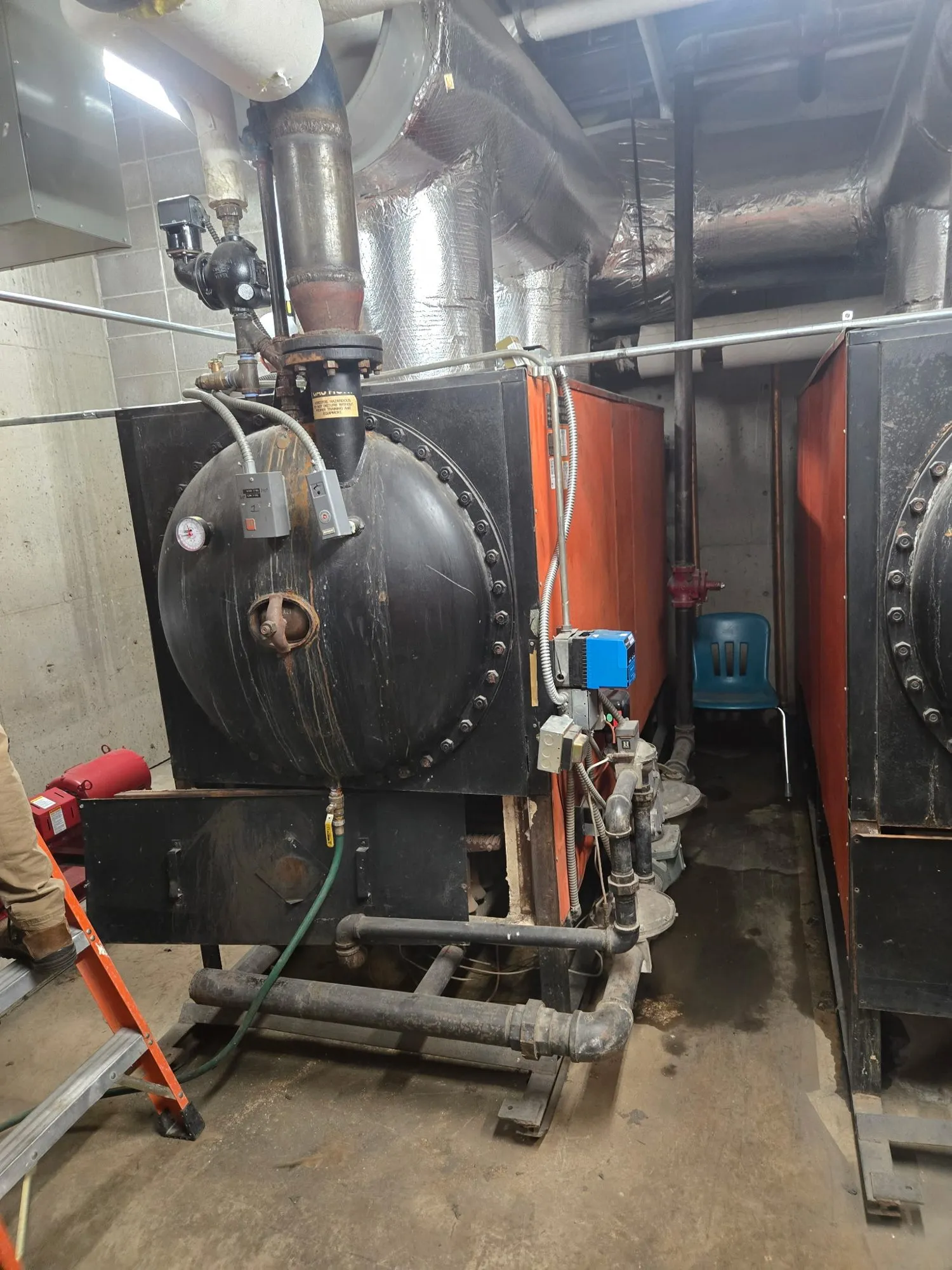
Firetube boiler in a school mechanical room before demolition
Boiler demolition · K-12 campus

Two 4-million-BTU firetubes, three days

Two 4M BTU firetube boilers, six expansion tanks, a heat exchanger and the mechanical-room piping cut at the agreed termination points. Sectioned, rigged through existing building paths and hauled, sequenced cleanly around the project's active abatement. Turned over to district standard.

Read the case study →
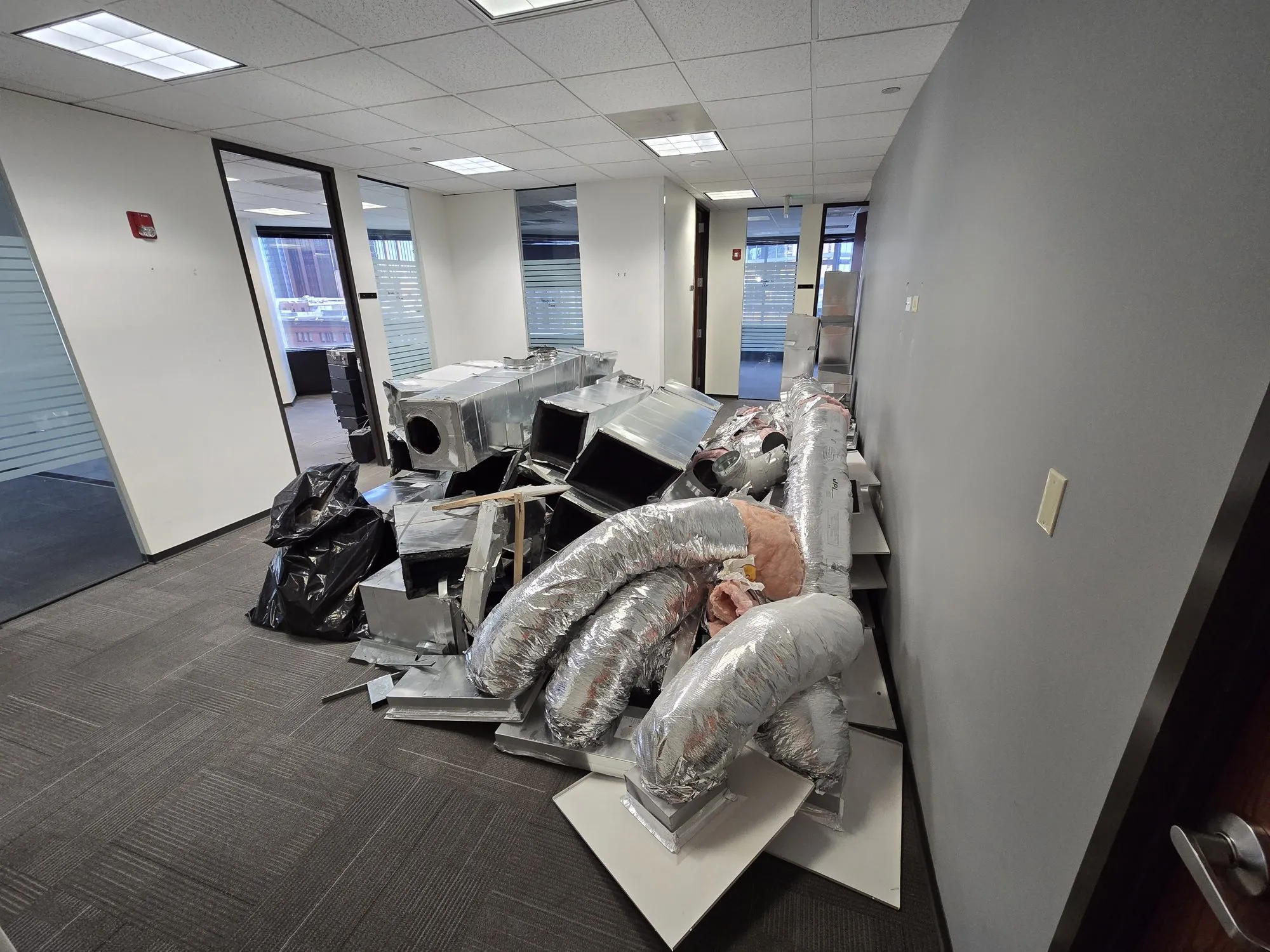
Sectioned HVAC equipment staged on the eleventh floor of a high-rise for haul-out
Mechanical strip-out · High-rise

Six floors of high-rise HVAC, zero tenant disruption

Twenty-three mechanical units and roughly a mile of copper piping sectioned and removed across six floors through elevator and freight constraints, with floor protection, scheduled access windows and daily broom-clean turnover. Tenants above and below never knew we were there.

Read the case study →

Questions we get

Straight answers

What makes HVAC demolition different from general demolition?

Weight, pressure and refrigerant. A cast iron sectional can weigh 7,000 pounds a unit, chillers hold refrigerant that has to be recovered before anyone opens a line, and old boiler rooms hide asbestos in insulation and gaskets. A crew that does only this knows where the weight is, where the hazards are, and how to get it all through a doorway that was framed before the equipment went in.

Do you work in occupied buildings?

Most of our commercial work is in occupied buildings: schools in session, office towers with tenants, hospitals. Protected paths, scheduled freight windows, dust and noise control and daily clean turnover are the normal way we work, not an upgrade.

How fast can you start?

Most jobs book one to three weeks out for residential and small commercial, three to six weeks for larger commercial work that has to coordinate with other trades. Same-day and next-day is a real option when a schedule breaks; call.

More questions answered on the FAQ page →

Boilers. Chillers. Mechanical systems.
We make them disappear.

A range in about a minute, or a site walk and a written proposal within 48 hours. Either way you're talking to an owner.

Call (303) 641-1012 Get an estimate